
You Don't Need to Build the Shelf
I built a bookshelf for my kids five years ago.
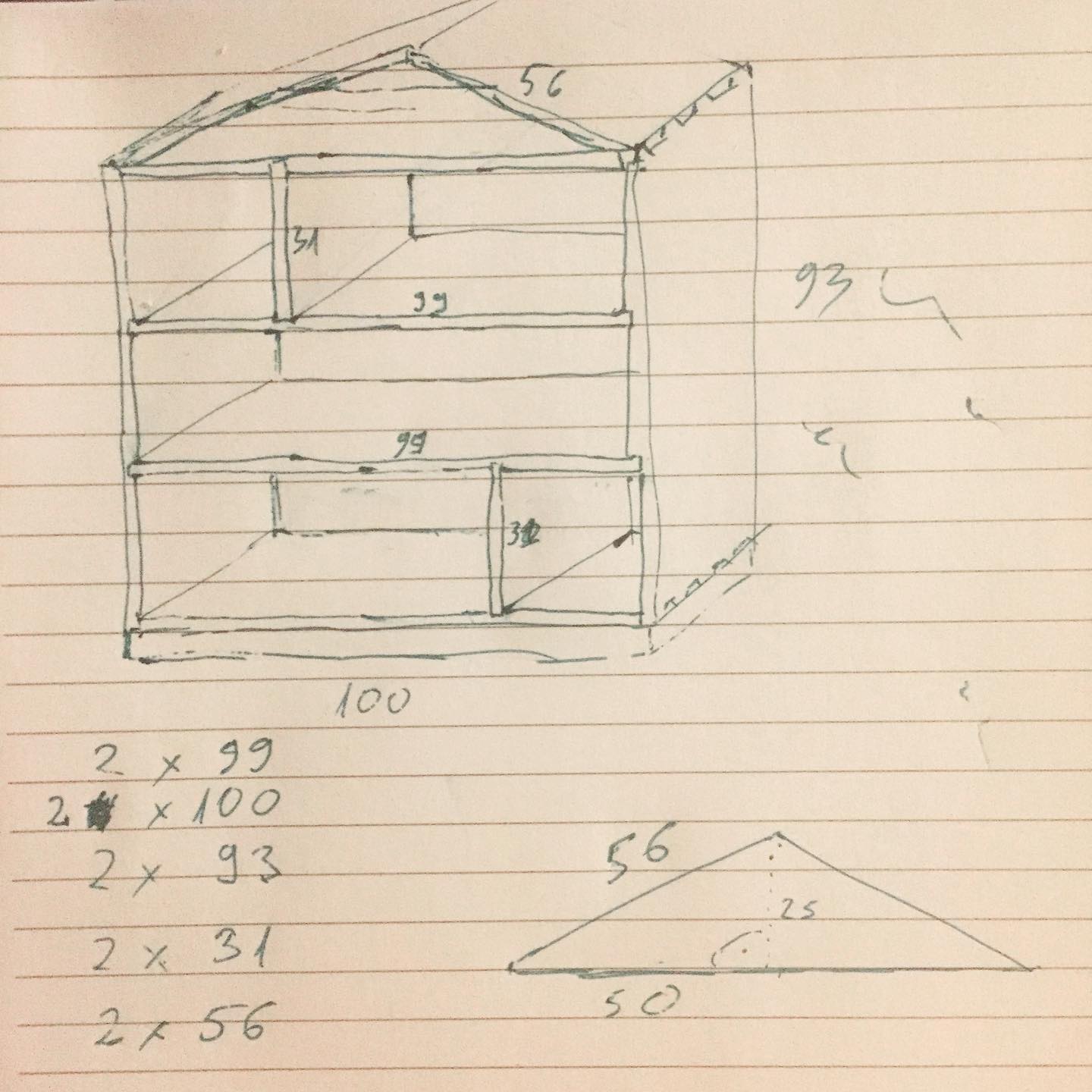
I drew it first. A rough sketch, an angled roof, a cut list at the bottom. Then I built it with hand tools. Some of those tools I restored.
Sketch
In use
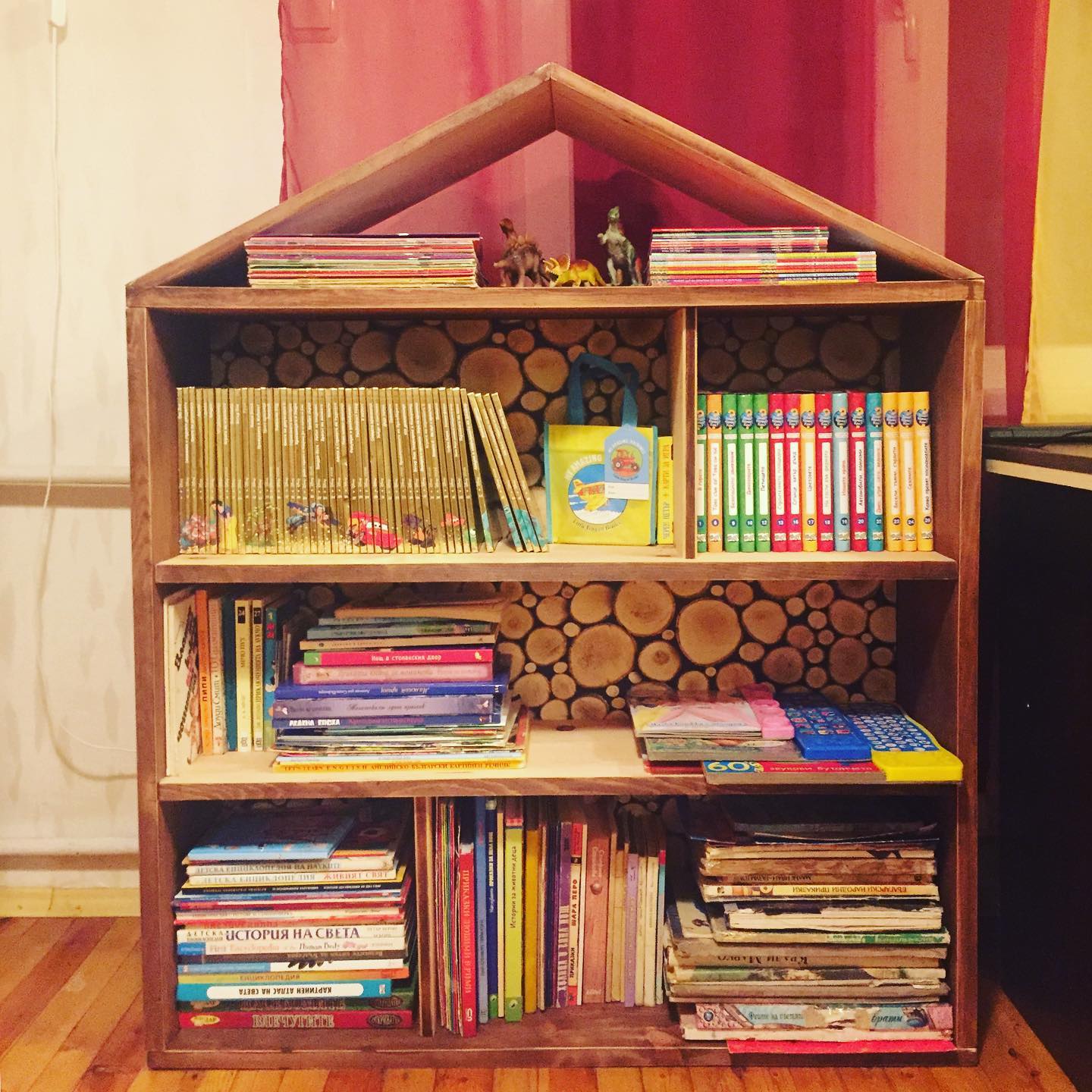
It took longer than it should have. The dovetail joints aren't perfect. But it stands. It holds books. My kids fill it with stories, stack magazines sideways when they run out of room, and line up toys on the roof.
I could have bought a shelf. It would have been faster and cheaper. But this one I wanted to make.
Not because handmade is always better. It's because my hands made it.
In the process, I learned how wood moves. I learned what a sharp chisel feels like when it bites into grain. I learned that measuring twice doesn't help much if you measure wrong both times.
And now, when I look at furniture someone else built, I see it differently. I notice how drawers are joined. I can tell when something is solid and when it's held together by hope and a few dowels. Building one shelf made me a better judge of all shelves.
That's the part nobody tells you about making things. The object is not the only product. You are, too.
What Making Does to You
A fantasy novelist I like once said he wrote several bad books before he wrote a publishable one. That was the point.
He was not trying to produce a product yet. He was trying to become the kind of person who could.
That is the part I keep coming back to. The process of creating art makes art of you. The book, the shelf, the painting is proof you did the work. But the real change happened in you while you were making it.
The process of creating art makes art of you.
There's a scene in Good Will Hunting that says the same thing from a different angle. Robin Williams tells Will, the brilliant kid, that reading about Michelangelo doesn't mean you know what the Sistine Chapel smells like. Reading about love isn't love. Reading about loss isn't losing someone.
You can study something completely and still have no understanding of it, because understanding doesn't come from information. It comes from contact. From doing the thing, not reading about the thing.
Slow Work
Most of my hobbies share a quality I didn't choose on purpose but notice now. They're all slow.
Hand-tool woodworking is slow. Gardening is slow. You plant a seed and then you wait months. You tend to it, care for it, fight with the weather. And then you get the reward. And next season, you start again. Slightly more knowledgeable, more prepared.
None of these hobbies reward urgency. All of them reward patience and repetition. Show up. Do the work. Come back tomorrow and do it again. The progress is invisible day to day but unmistakable over a year, and over a decade.
I think most things that matter work like that. Relationships. Raising kids. Building a company. The point is not to win once. The point is to still be in it, with better judgment than you had last year.
Judgment Comes From Contact
Here's what I've learned from building a shelf, writing code for 23 years, and watching what happens when people skip the hard part.
When you build something yourself, even badly, you develop judgment about the thing and everything around it. The woodworker sees joints. The gardener reads soil. The developer who has debugged a production outage at 2am understands risk in a way that no report can teach.
That judgment is not transferable through information. You can't read your way to it or prompt your way to it. It only comes from contact.
This matters because we live in a time when it's easy to skip the contact. Whether it's AI, or contractors, or an off-the-shelf solution, the output looks right. And sometimes it is right. But the person who prompted it hasn't changed. They haven't learned to see what's solid and what's held together by hope.
These shortcuts are sometimes the best choice. But you should know what you are cutting through.
If you're building something that matters to you, whether it's a product, a company, or a shelf, stay close to the making.
Not because doing everything yourself is practical. It isn't. But because the making is where judgment forms.
You don't need to build every shelf. But build one. Hold the finished thing in your hands. Feel what it cost you and what it taught you.
That's the part that lasts.